

In the chemical industry, low moisture furfuryl alcohol is a highly sought - after product due to its wide range of applications in areas such as the production of furan resins, pharmaceuticals, and agrochemicals. As a supplier of low moisture furfuryl alcohol, I understand the significance of providing a high - purity product. In this blog, I will share some effective methods to purify low moisture furfuryl alcohol.
Understanding Low Moisture Furfuryl Alcohol
Before delving into the purification methods, it's essential to understand what low moisture furfuryl alcohol is. Furfuryl alcohol, with the Furfuryl Alcohol CAS 98 - 00 - 0, is an organic compound derived from furfural. It has a characteristic odor and is a colorless to slightly yellow liquid. Low moisture furfuryl alcohol contains a reduced amount of water, which is crucial for many industrial applications. For example, in the production of Furan Resin Raw Material, high - moisture furfuryl alcohol can lead to poor resin quality, including reduced strength and durability.
Sources of Impurities in Low Moisture Furfuryl Alcohol
There are several sources of impurities in low moisture furfuryl alcohol. During the production process, side reactions can occur, leading to the formation of by - products. These by - products can include furfural polymers, organic acids, and other contaminants. Additionally, the raw materials used in the synthesis of furfuryl alcohol may contain impurities, which can carry over into the final product. Moisture can also be a significant impurity, as it can affect the chemical and physical properties of furfuryl alcohol.
Purification Methods
Distillation
Distillation is one of the most common and effective methods for purifying low moisture furfuryl alcohol. There are two main types of distillation that can be used: simple distillation and fractional distillation.
Simple Distillation: This method is suitable when the impurities have significantly different boiling points from furfuryl alcohol. The principle behind simple distillation is that the mixture is heated, and the component with the lower boiling point vaporizes first. The vapor is then condensed and collected as a purified product. However, simple distillation may not be sufficient for separating impurities with boiling points close to that of furfuryl alcohol.
Fractional Distillation: Fractional distillation is a more advanced technique that uses a fractionating column. The column provides multiple stages of vaporization and condensation, allowing for a more precise separation of components with similar boiling points. In the case of low moisture furfuryl alcohol, fractional distillation can effectively remove impurities such as furfural and other by - products. By carefully controlling the temperature and pressure during the distillation process, a high - purity furfuryl alcohol product can be obtained.
Adsorption
Adsorption is another important purification method. Adsorbents are materials that can selectively adsorb impurities from a liquid or gas phase. For low moisture furfuryl alcohol, activated carbon and molecular sieves are commonly used adsorbents.
Activated Carbon: Activated carbon has a large surface area and a high porosity, which makes it an excellent adsorbent for organic impurities. It can adsorb a wide range of contaminants, including furfural polymers and other colored impurities. The furfuryl alcohol is passed through a bed of activated carbon, and the impurities are adsorbed onto the surface of the carbon. After adsorption, the activated carbon can be regenerated by heating it in an inert atmosphere, allowing it to be reused.
Molecular Sieves: Molecular sieves are synthetic zeolites with a well - defined pore structure. They can selectively adsorb molecules based on their size and shape. For low moisture furfuryl alcohol, molecular sieves can be used to remove water and other small - molecule impurities. The furfuryl alcohol is passed through a column filled with molecular sieves, and the water and other impurities are trapped in the pores of the sieves. Molecular sieves can be regenerated by heating them at a high temperature.
Chemical Treatment
Chemical treatment can also be used to purify low moisture furfuryl alcohol. This method involves adding specific chemicals to the furfuryl alcohol to react with the impurities.
Neutralization: If the furfuryl alcohol contains acidic impurities, such as organic acids, a base can be added to neutralize them. For example, sodium hydroxide can be used to react with the acids, forming salts that can be easily separated from the furfuryl alcohol by filtration or distillation.
Reduction and Oxidation: Some impurities in furfuryl alcohol can be removed by reduction or oxidation reactions. For example, furfural can be reduced to furfuryl alcohol using a reducing agent such as sodium borohydride. Oxidizing agents can also be used to convert certain impurities into more easily removable compounds.
Quality Control during Purification
Quality control is crucial during the purification process to ensure that the final product meets the required specifications. There are several parameters that need to be monitored, including moisture content, purity, and the presence of specific impurities.
Moisture Content: The moisture content of low moisture furfuryl alcohol can be determined using methods such as the Karl Fischer titration. This method is highly accurate and can detect very low levels of moisture.
Purity: The purity of furfuryl alcohol can be determined using techniques such as gas chromatography (GC) and high - performance liquid chromatography (HPLC). These methods can separate and quantify the different components in the furfuryl alcohol sample, allowing for an accurate determination of its purity.
Impurity Analysis: Specific impurities, such as furfural and organic acids, can be analyzed using appropriate analytical methods. For example, furfural can be detected using UV - Vis spectroscopy, while organic acids can be analyzed using titration or chromatography.
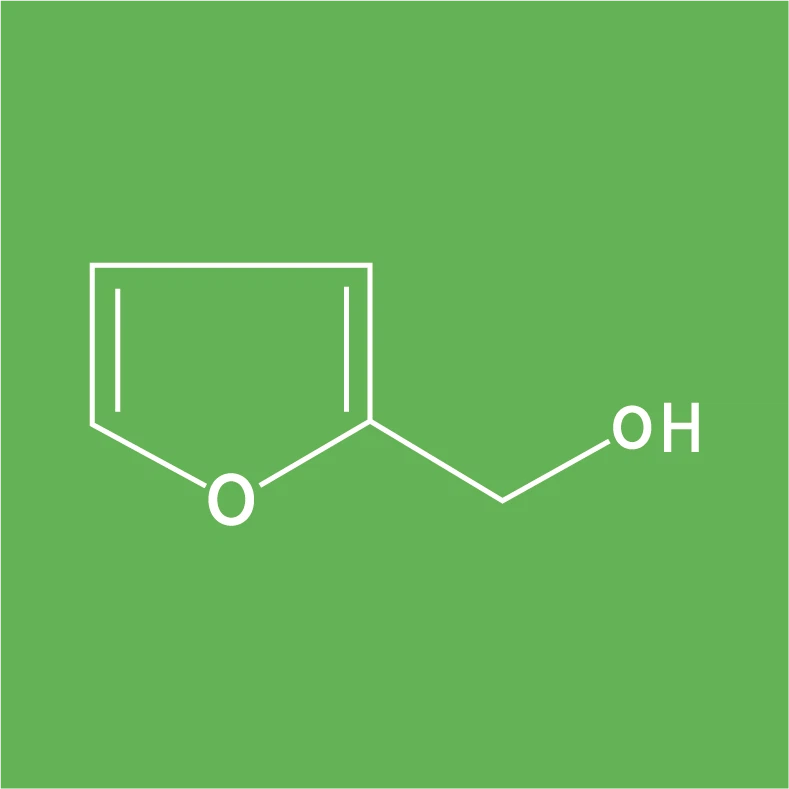

The Role of Bio - based Furfuryl Alcohol
In recent years, there has been an increasing interest in Bio - based Furfuryl Alcohol. Bio - based furfuryl alcohol is derived from renewable resources, such as biomass, and is considered to be more environmentally friendly. The purification methods for bio - based furfuryl alcohol are similar to those for traditional furfuryl alcohol. However, due to the nature of the raw materials, bio - based furfuryl alcohol may contain different types of impurities, such as natural polymers and other bio - derived contaminants. Therefore, the purification process may need to be adjusted accordingly.
Conclusion
Purifying low moisture furfuryl alcohol is a complex but essential process to ensure the quality of the final product. By using a combination of distillation, adsorption, and chemical treatment methods, and implementing strict quality control measures, a high - purity low moisture furfuryl alcohol can be obtained. As a supplier, I am committed to providing the highest quality low moisture furfuryl alcohol to meet the diverse needs of our customers.
If you are interested in purchasing low moisture furfuryl alcohol or have any questions about our products, please feel free to contact us for further discussion. We look forward to establishing a long - term business relationship with you.
References
- R. A. Meyers, "Handbook of Chemicals Production Processes".
- J. A. Kent, "Riegel's Handbook of Industrial Chemistry".
- ASTM International standards related to furfuryl alcohol analysis.


