

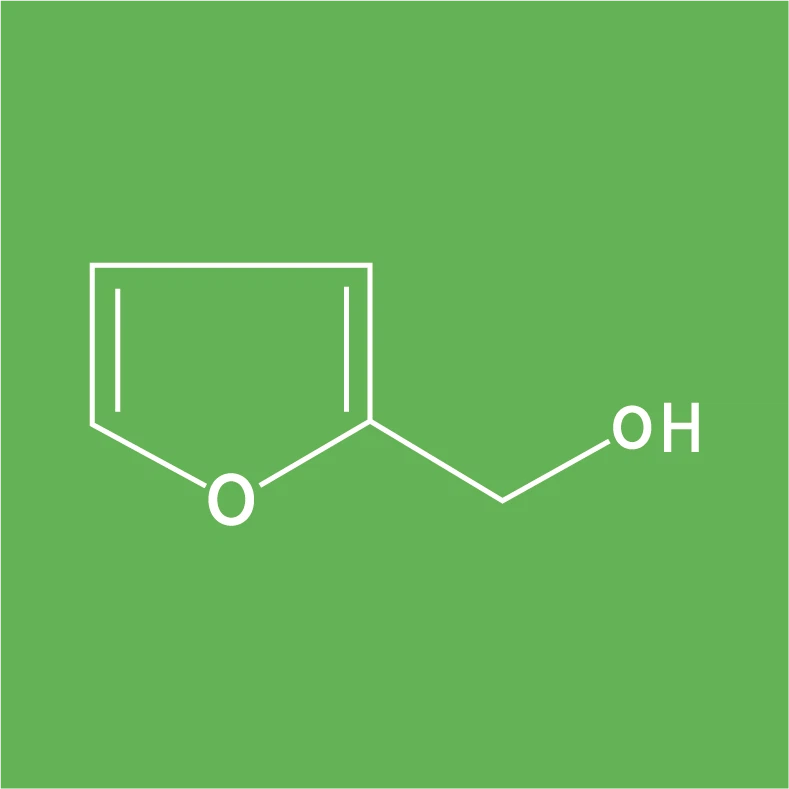
Hey there! As a supplier of low moisture furfuryl alcohol, I get asked a lot about how to test the moisture content in this valuable chemical. Today, I'm gonna share some practical methods and insights on this topic.
First things first, let's talk about why testing the moisture content in low moisture furfuryl alcohol is so important. Furfuryl alcohol has a wide range of applications, from being an Adhesive Furfuryl Alcohol in the bonding industry to serving as a Furan Resin Raw Material and Industrial Furfuryl Alcohol. Even a small amount of excess moisture can greatly affect its quality and performance. For example, in the production of furan resins, too much moisture can lead to poor curing and reduced mechanical properties of the final product.
Now, let's dive into the different testing methods.

Karl Fischer Titration
Karl Fischer titration is one of the most accurate and widely used methods for determining the moisture content in low moisture furfuryl alcohol. This method is based on a chemical reaction between iodine, sulfur dioxide, and water. The reaction consumes iodine, and by measuring the amount of iodine consumed, we can calculate the amount of water present in the sample.
There are two types of Karl Fischer titration: volumetric and coulometric. Volumetric titration is suitable for samples with relatively high moisture content. In this method, a titrant containing iodine is added to the sample until the reaction with water is complete. The volume of the titrant used is then used to calculate the moisture content.
Coulometric titration, on the other hand, is more sensitive and is ideal for samples with very low moisture content, like our low moisture furfuryl alcohol. In coulometric titration, iodine is generated electrochemically in the titration cell. The amount of electricity required to generate the iodine is proportional to the amount of water in the sample.
To perform Karl Fischer titration, you'll need a Karl Fischer titrator, which can be either a volumetric or a coulometric type depending on your sample requirements. You'll also need the appropriate reagents, such as the Karl Fischer titrant and the solvent.
Loss on Drying (LOD)
Loss on drying is a simpler but less accurate method compared to Karl Fischer titration. In this method, a sample of low moisture furfuryl alcohol is weighed and then heated in an oven at a specific temperature for a set period of time. The sample loses moisture during the heating process, and the weight loss is measured. The moisture content is then calculated as the percentage of the weight loss relative to the initial sample weight.
The advantage of the LOD method is its simplicity and low cost. You don't need any special equipment other than an oven and a balance. However, it has some limitations. For example, other volatile components in the sample may also be lost during heating, leading to an overestimation of the moisture content. Also, the heating process may cause some chemical reactions in the furfuryl alcohol, affecting the accuracy of the result.
Near - Infrared Spectroscopy (NIRS)
Near - infrared spectroscopy is a non - destructive and rapid method for testing the moisture content in low moisture furfuryl alcohol. When near - infrared light is passed through the sample, water molecules absorb specific wavelengths of light. By measuring the absorbance at these wavelengths, we can determine the moisture content in the sample.
NIRS has several advantages. It's fast, allowing for real - time analysis. It's also non - destructive, which means the sample can be used for other purposes after testing. However, it requires expensive equipment and proper calibration to ensure accurate results. The accuracy of NIRS can also be affected by factors such as the sample's physical state and the presence of other absorbing components.
Considerations for Testing
When testing the moisture content in low moisture furfuryl alcohol, there are a few things to keep in mind.
- Sample Preparation: Make sure the sample is representative of the whole batch. Mix the sample thoroughly before taking a sub - sample for testing. Also, take precautions to prevent moisture from being absorbed or lost during sample collection and handling.
- Equipment Calibration: For accurate results, it's crucial to calibrate your testing equipment regularly. This is especially important for Karl Fischer titrators and NIRS instruments.
- Testing Environment: The testing environment can affect the moisture content of the sample. Try to perform the tests in a controlled environment with a stable temperature and humidity.
Conclusion
Testing the moisture content in low moisture furfuryl alcohol is essential to ensure its quality and performance in various applications. Whether you choose Karl Fischer titration for its accuracy, the LOD method for its simplicity, or NIRS for its speed and non - destructiveness, make sure to follow the proper procedures and take the necessary precautions.
If you're in the market for high - quality low moisture furfuryl alcohol, we're here to supply you with the best products. We understand the importance of accurate moisture content and ensure that our products meet the highest standards. If you're interested in purchasing or have any questions, feel free to reach out to discuss your requirements and explore how we can work together. We're always happy to help!
References
- Mitchell, M. A. (1993). Karl Fischer Titration: Water Analysis for the 1990s. Journal of Chemical Education, 70(1), 56 - 57.
- Workman, J., & Weyer, L. (2008). NIR spectroscopy: a decade of progress 1997 - 2007. Applied Spectroscopy, 62(12), 1237 - 1260.
- Pharmacopeial Forums. (Eds.). (2019). General Chapter <731> Loss on Drying. United States Pharmacopeia.


