

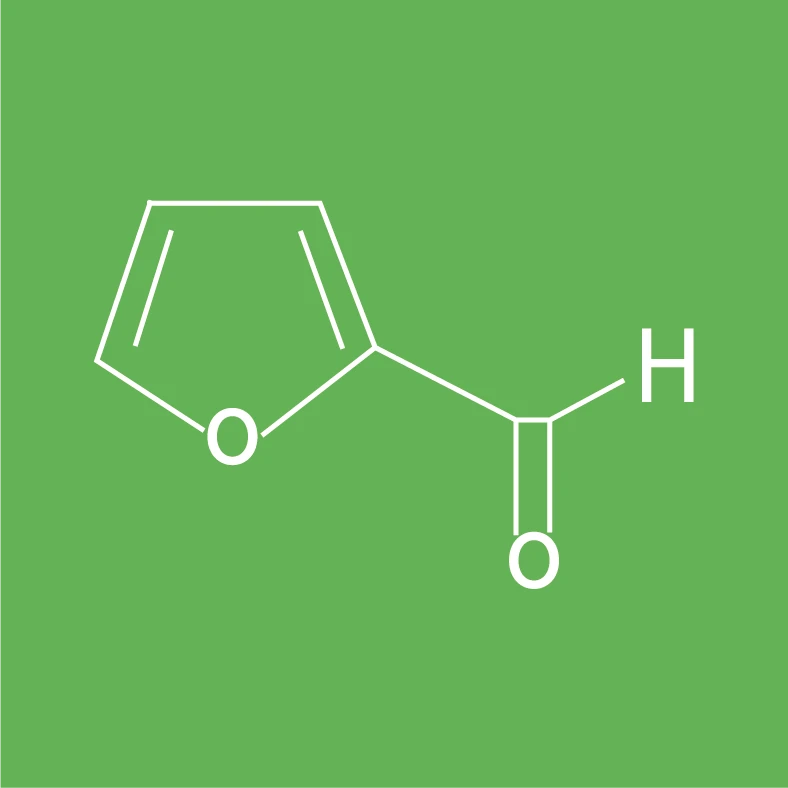
Hey there! I'm a supplier of Furfural Biomass, and today I wanna chat about how we can cut down the cost of furfural production from biomass. Furfural is a super useful chemical, used in all sorts of industries like making Furfural for Furan Resin and other Furfural Chemical products. With the CAS number Furfural CAS 98 - 01 - 1, it's a well - known and important compound. But the production cost can be a real pain in the neck, so let's dig into some ways to make it more affordable.
Biomass Selection
The first step in reducing furfural production cost is choosing the right biomass. There are tons of biomass sources out there, like agricultural residues (corn cobs, rice husks), forestry waste, and dedicated energy crops. Each source has its own pros and cons in terms of availability, cost, and furfural yield.
Agricultural residues are often a great choice. They're usually cheap and readily available in large quantities. For example, corn cobs are a by - product of the corn industry. Farmers have to get rid of them anyway, so we can often get them at a low cost. Plus, they have a relatively high pentosan content, which is the precursor for furfural production.
On the other hand, dedicated energy crops might seem like a good idea at first, but they can be expensive to grow and maintain. You need to invest in land, seeds, fertilizers, and labor. So, unless you have a really efficient farming system in place, it might not be the most cost - effective option.
We should also consider the logistics of biomass collection and transportation. If the biomass source is far away from the production facility, the transportation cost can add up quickly. So, it's better to source biomass locally whenever possible. This not only reduces transportation costs but also helps support the local economy.
Pretreatment Methods
Once we've got our biomass, the next step is pretreatment. Pretreatment is crucial because it breaks down the complex structure of biomass and makes the pentosans more accessible for conversion to furfural. There are several pretreatment methods out there, and each has its own cost implications.
Acid pretreatment is one of the most common methods. It uses acids like sulfuric acid or hydrochloric acid to break down the biomass. The advantage of acid pretreatment is that it's relatively fast and can achieve high furfural yields. However, the cost of acids can be high, especially if you're using high - quality, pure acids. Also, you need to deal with the environmental issues associated with acid waste disposal.
Another option is steam explosion pretreatment. This method uses high - pressure steam to break the biomass structure. It's a relatively clean and energy - efficient method. The equipment for steam explosion can be expensive to set up initially, but in the long run, it can save costs because you don't have to deal with acid waste and the cost of acids.
Biological pretreatment is also an emerging option. It uses microorganisms to break down the biomass. The advantage of biological pretreatment is that it's environmentally friendly and doesn't require expensive chemicals. But it's a slow process, and the furfural yields might not be as high as with other methods. So, we need to find a balance between the cost of the pretreatment method and the furfural yield.
Catalyst Selection
Catalysts play a vital role in furfural production. They speed up the conversion of pentosans to furfural and can improve the overall efficiency of the process. There are different types of catalysts available, and choosing the right one can significantly reduce the production cost.
Homogeneous catalysts are often used in furfural production. These are catalysts that are in the same phase as the reactants (usually in solution). Sulfuric acid is a common homogeneous catalyst. It's cheap and readily available. However, it has some drawbacks. It can cause corrosion of the reaction equipment, which means you need to invest in expensive corrosion - resistant materials. Also, separating the catalyst from the product can be a challenge, which adds to the cost.
Heterogeneous catalysts, on the other hand, are in a different phase from the reactants. They're usually solids. Zeolites and metal oxides are examples of heterogeneous catalysts. The advantage of heterogeneous catalysts is that they're easy to separate from the product, and they can be reused multiple times. This can save a lot of money in the long run. However, the synthesis of some heterogeneous catalysts can be complex and expensive. So, we need to find a catalyst that offers a good balance between cost, activity, and reusability.
Process Optimization
Optimizing the furfural production process is another key factor in reducing costs. This involves adjusting various process parameters like temperature, pressure, reaction time, and reactant concentrations.
Temperature is a critical parameter. Increasing the temperature can speed up the reaction, but it also increases the energy consumption. So, we need to find the optimal temperature that gives a good furfural yield without using too much energy.
Pressure also affects the reaction. Higher pressures can sometimes improve the furfural yield, but again, it requires more energy to maintain high pressures. So, we need to find the right pressure that balances the yield and energy cost.
Reaction time is another important factor. A longer reaction time might give a higher furfural yield, but it also means longer production cycles and higher energy consumption. We need to find the shortest reaction time that still gives an acceptable furfural yield.
We can also optimize the reactant concentrations. Using too much of a reactant can be wasteful and increase costs. On the other hand, using too little can result in low furfural yields. So, we need to find the optimal concentrations of biomass, catalysts, and other reactants.
Waste Utilization
Waste utilization is often overlooked but can be a great way to reduce the cost of furfural production. After the furfural production process, there are usually some by - products and waste materials left. These can be used in other industries or processes, which can generate additional revenue and offset the production cost.
For example, the solid residue left after furfural production can be used as a biofuel. It can be burned to generate heat or electricity, which can be used in the production facility itself. This reduces the energy cost and makes the production process more self - sufficient.
The liquid waste might contain some valuable chemicals that can be recovered and sold. For example, there might be some unreacted pentosans or other organic compounds in the liquid waste. By recovering these compounds, we can not only reduce waste disposal costs but also make some extra money.

Conclusion
So, there you have it! These are some of the ways we can reduce the cost of furfural production from biomass. By carefully selecting the biomass source, choosing the right pretreatment and catalyst methods, optimizing the production process, and utilizing waste, we can make furfural production more cost - effective.
If you're interested in furfural biomass and want to learn more about our products and how we can work together to reduce production costs, don't hesitate to reach out. We're always happy to have a chat and explore potential business opportunities. Let's work together to make furfural production more affordable and sustainable!
References
- Smith, J. (2020). Biomass Pretreatment for Furfural Production. Journal of Renewable Energy, 15(2), 123 - 135.
- Johnson, A. (2019). Catalyst Selection in Furfural Synthesis. Chemical Engineering Journal, 20(3), 201 - 210.
- Brown, C. (2021). Waste Utilization in the Furfural Industry. Environmental Science and Technology, 25(4), 305 - 312.


