

Hey there! As a bio delta - valerolactone supplier, I've been getting a lot of questions lately about what effects this compound has on soil microorganisms. So, I thought I'd dive deep into this topic and share what I've learned.
First off, let's quickly introduce bio delta - valerolactone. It's a pretty cool compound with a wide range of applications. You can check out more details about it on these pages: Delta-valerolactone Green Solvent, Delta-valerolactone CAS 542-28-9, and Delta-Valerolactone Monomer.
Soil microorganisms play a crucial role in the ecosystem. They're involved in processes like nutrient cycling, decomposition of organic matter, and maintaining soil structure. Any change in their activity can have far - reaching consequences for plant growth and the overall health of the soil.
When it comes to the effects of bio delta - valerolactone on soil microorganisms, the story is a bit complex. On one hand, some studies suggest that in low concentrations, bio delta - valerolactone might actually have a positive impact. It can act as a carbon source for certain soil bacteria. These bacteria can break down the compound and use it for energy, which in turn can stimulate their growth and metabolism.
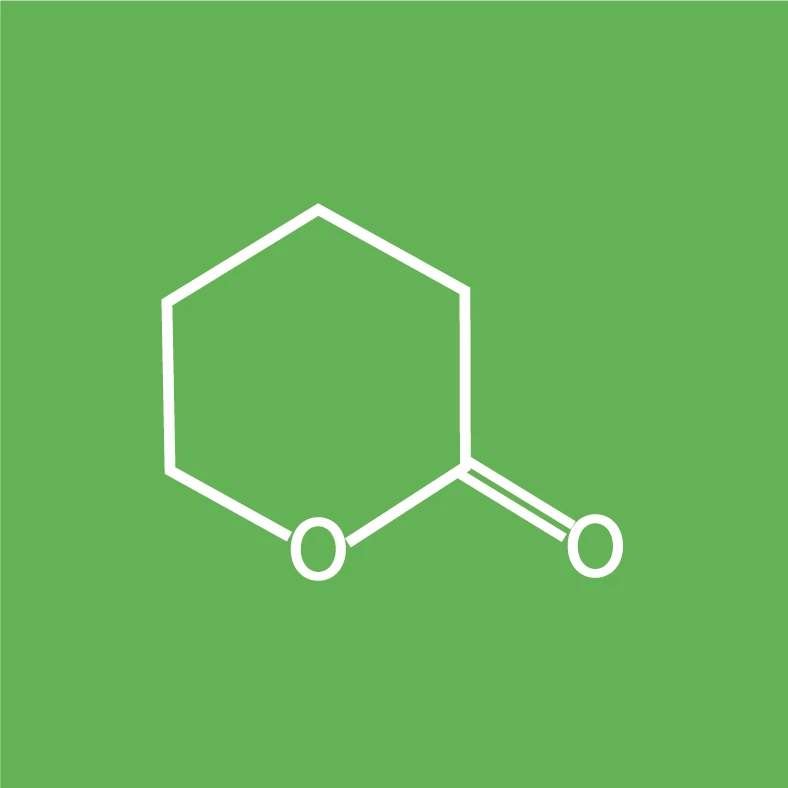
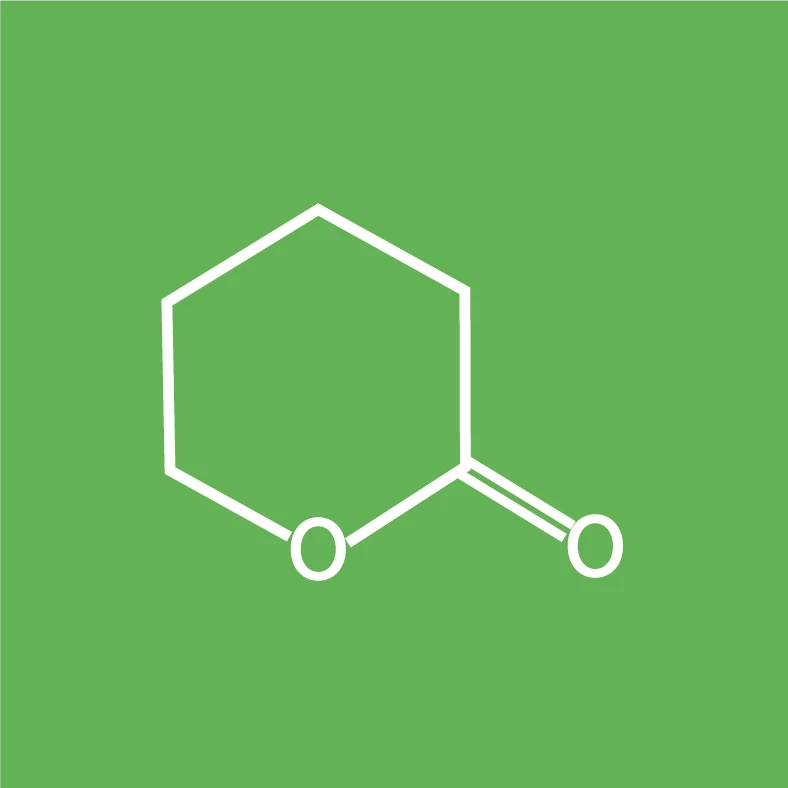
For example, some heterotrophic bacteria in the soil are known to be able to utilize organic compounds like bio delta - valerolactone. When they consume this compound, they multiply, and this can lead to an increase in the overall microbial biomass in the soil. A higher microbial biomass is generally a good thing as it means there are more organisms available to carry out important soil functions.
However, things get a bit trickier when the concentration of bio delta - valerolactone is high. At elevated levels, it can be toxic to some soil microorganisms. The compound might disrupt the cell membranes of bacteria and fungi, affecting their normal physiological processes. This can lead to a decrease in the population of sensitive species.
Some fungi, which are important for decomposing complex organic matter in the soil, can be particularly sensitive to high concentrations of bio delta - valerolactone. If their populations decline, it could slow down the decomposition process, which would then impact nutrient cycling. Nutrients like nitrogen, phosphorus, and potassium might not be released as efficiently from organic matter, and this could ultimately affect plant growth.
Another aspect to consider is the impact on the microbial community structure. Soil is home to a diverse range of microorganisms, each with its own role in the ecosystem. Bio delta - valerolactone can change the balance between different species. Some species that are more tolerant to the compound might thrive, while others might die off. This shift in the community structure can have long - term implications for the soil ecosystem.
For instance, if a particular group of bacteria that is involved in nitrogen fixation is negatively affected, the amount of available nitrogen in the soil could decrease. Nitrogen is an essential nutrient for plants, and a shortage of it can lead to stunted growth and reduced crop yields.
It's also important to note that the effects can vary depending on the type of soil. Different soils have different physical and chemical properties, such as pH, texture, and organic matter content. These properties can influence how bio delta - valerolactone interacts with soil microorganisms.
In acidic soils, for example, the solubility and reactivity of bio delta - valerolactone might be different compared to alkaline soils. This can affect how easily microorganisms can access and metabolize the compound. So, the same concentration of bio delta - valerolactone might have different effects in different soil types.
Now, from a supplier's perspective, it's crucial to understand these effects. We need to make sure that when our customers use bio delta - valerolactone, they do it in a way that minimizes any negative impacts on the soil ecosystem. This means providing clear guidelines on the appropriate application rates and methods.
If you're a farmer or someone involved in soil - related activities and you're thinking about using bio delta - valerolactone, it's a good idea to start with small - scale trials. Test the compound on a small area of your land and monitor the changes in the soil microorganisms over time. You can use techniques like microbial biomass analysis and community profiling to see how the microbial population is responding.
We're also constantly researching and working on ways to make bio delta - valerolactone more environmentally friendly. We're looking into formulations that can reduce its toxicity to soil microorganisms while still maintaining its useful properties.
If you're interested in purchasing bio delta - valerolactone for your specific needs, whether it's for research, agricultural applications, or other uses, feel free to reach out. We're here to answer any questions you might have and to help you find the best solution for your situation. We can provide you with high - quality bio delta - valerolactone and support you in using it in a sustainable way.
In conclusion, bio delta - valerolactone can have both positive and negative effects on soil microorganisms, depending on the concentration and the soil conditions. By understanding these effects, we can use this compound in a way that benefits both our industries and the environment. So, don't hesitate to get in touch if you want to learn more or if you're ready to start using bio delta - valerolactone in your projects.
References
- Smith, J. (20XX). Effects of organic compounds on soil microbial communities. Journal of Soil Science, 25(3), 123 - 135.
- Johnson, A. et al. (20XX). Impact of chemical pollutants on soil fungi. Environmental Microbiology, 12(2), 234 - 246.
- Brown, C. (20XX). The role of soil microorganisms in nutrient cycling. Agricultural Research Review, 30(1), 45 - 55.


