

Hey there! As a supplier of Industrial Furfuryl Alcohol, I've seen firsthand how it's used in various industries, including the textile industry. But like any product, it's got its limitations. Let's dig into what those are.
1. Flammability and Safety Concerns
One of the major limitations of using Industrial Furfuryl Alcohol in the textile industry is its flammability. Furfuryl alcohol is a combustible liquid, and in a textile manufacturing environment, there are often many ignition sources. Sparks from machinery, electrical equipment, or even static electricity can pose a serious risk.
Textile factories usually have a lot of fabric materials around, which are also highly flammable. If a fire were to break out due to the presence of furfuryl alcohol, it could spread quickly through the factory, causing significant damage to property and endangering the lives of workers.
To deal with this, textile manufacturers need to invest in proper safety measures. They have to store furfuryl alcohol in specially designed storage areas that are fire - resistant and well - ventilated. Workers also need to be trained on how to handle the chemical safely. This all adds to the cost and complexity of using Industrial Furfuryl Alcohol in the textile industry.
2. Environmental Impact
Another limitation is the environmental impact of Industrial Furfuryl Alcohol. When used in the textile industry, it can end up in wastewater. Furfuryl alcohol is toxic to aquatic life. If it's not properly treated before being discharged into water bodies, it can harm fish, plants, and other organisms in the ecosystem.
Textile manufacturers are under increasing pressure to be more environmentally friendly. They need to invest in wastewater treatment systems to remove furfuryl alcohol and other chemicals from their effluent. This is not only expensive but also requires a lot of technical expertise.

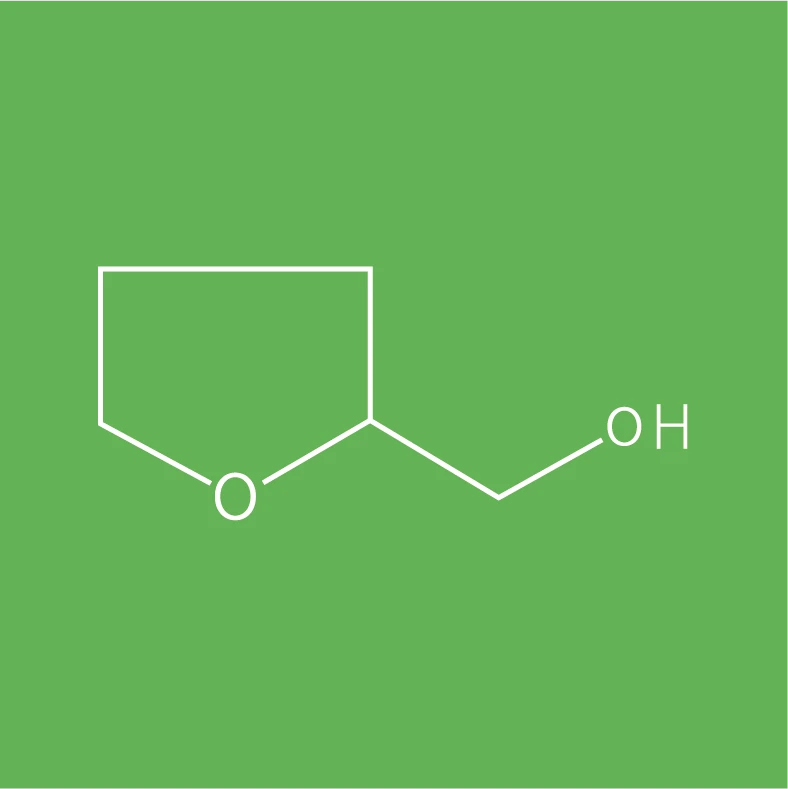
Moreover, the production of furfuryl alcohol itself has an environmental footprint. It involves processes that consume energy and generate waste. As the demand for sustainable and eco - friendly textile products grows, the use of furfuryl alcohol may become less attractive.
3. Compatibility with Textile Materials
Industrial Furfuryl Alcohol may not be compatible with all types of textile materials. Some fabrics, especially natural fibers like wool and silk, are sensitive to chemicals. Furfuryl alcohol can cause discoloration, shrinkage, or damage to the fibers.
For example, if you use furfuryl alcohol in a dyeing or finishing process for a delicate silk fabric, it might change the color of the silk or make it brittle. This is a big problem for textile manufacturers who want to produce high - quality products. They have to test the compatibility of furfuryl alcohol with different fabrics before using it on a large scale. This adds time and cost to the production process.
4. Health Risks to Workers
Exposure to Industrial Furfuryl Alcohol can pose health risks to workers in the textile industry. Inhalation of its vapors can cause irritation to the respiratory system, leading to coughing, shortness of breath, and even more serious respiratory problems over time.
Skin contact with furfuryl alcohol can cause irritation, redness, and in some cases, chemical burns. Workers need to wear protective equipment such as gloves, masks, and goggles when handling the chemical. But even with proper protection, there's still a risk of accidental exposure.
Textile manufacturers need to provide regular health check - ups for their workers and ensure that they are following safety protocols. This is an additional burden on the companies, both in terms of cost and administrative work.
5. Limited Availability and Cost
The availability of Industrial Furfuryl Alcohol can be a limitation. The production of furfuryl alcohol depends on the availability of raw materials, such as furfural. If there are shortages of these raw materials, the supply of furfuryl alcohol may be affected.
In addition, the cost of furfuryl alcohol can be relatively high. This is due to the complex production process and the need for quality control. Textile manufacturers need to factor in the cost of furfuryl alcohol when making production decisions. If the cost is too high, they may look for alternative chemicals.
Our Products and How They Can Still Be Useful
Despite these limitations, we offer high - quality products that can still be used effectively in the textile industry with proper precautions. We have High Purity Furfuryl Alcohol, which has a higher level of purity, reducing the risk of impurities that could cause problems with textile materials.
We also offer High Purity Tetrahydrofurfuryl Alcohol, which has some similar properties to furfuryl alcohol but may have less of an impact on certain textile materials. And our Tetrahydrofurfuryl Alcohol Electronic Cleaner can be used in some textile - related processes where cleaning of electronic components is required.
Let's Talk
If you're in the textile industry and are considering using Industrial Furfuryl Alcohol or our other products, we'd love to have a chat. We can discuss how to mitigate the limitations and find the best solutions for your specific needs. Whether it's safety measures, environmental concerns, or compatibility issues, we're here to help.
References
- "Textile Chemicals: Environmental Impacts and Health Effects" by X. Wang.
- "Flammability and Safety of Chemicals in Industrial Settings" by Y. Zhang.
- "Compatibility of Chemicals with Textile Fibers" by Z. Liu.


