

Bio-based furfuryl alcohol is a versatile and sustainable chemical with a wide range of applications, from the production of Furan Resin Raw Material to use in various industrial processes. As a leading supplier of Bio-based Furfuryl Alcohol, we understand the importance of the raw materials used in its production. In this blog post, we will explore the key raw materials for bio-based furfuryl alcohol production, their sources, and the benefits they bring to the industry.
1. Hemicellulose - The Primary Source
Hemicellulose is a complex polysaccharide found in the cell walls of plants, along with cellulose and lignin. It is the primary raw material for the production of furfural, which is then hydrogenated to produce furfuryl alcohol. Hemicellulose consists of various sugar monomers, mainly xylose, arabinose, mannose, and galactose. Among these, xylose is the most important for furfural production.
Sources of Hemicellulose
- Agricultural Residues: Crop residues such as corn cobs, wheat straw, rice husks, and sugarcane bagasse are rich sources of hemicellulose. These residues are often considered waste products in the agricultural industry, and their utilization for furfuryl alcohol production provides an environmentally friendly and economically viable solution. For example, corn cobs typically contain around 30 - 40% hemicellulose, making them an ideal feedstock.
- Forestry Residues: Wood chips, sawdust, and bark from forestry operations also contain significant amounts of hemicellulose. Hardwoods generally have a higher hemicellulose content compared to softwoods, with some hardwood species containing up to 35% hemicellulose. The use of forestry residues helps in reducing waste and promoting sustainable forest management.
Conversion of Hemicellulose to Furfural
The conversion of hemicellulose to furfural involves a series of chemical reactions. First, hemicellulose is hydrolyzed into its constituent sugar monomers, mainly xylose, under acidic conditions. The xylose is then dehydrated to form furfural. This process is typically carried out at high temperatures (around 150 - 200°C) in the presence of an acid catalyst, such as sulfuric acid or hydrochloric acid.
2. Catalysts for Hydrogenation
Once furfural is produced, it needs to be hydrogenated to furfuryl alcohol. This process requires the use of catalysts to facilitate the reaction.

Nickel-based Catalysts
Nickel-based catalysts are commonly used in the hydrogenation of furfural to furfuryl alcohol. Raney nickel, a finely divided nickel - aluminum alloy, is a well - known and widely used catalyst in this process. It has high catalytic activity and selectivity for the hydrogenation of furfural to furfuryl alcohol under mild reaction conditions. The reaction is typically carried out in a liquid - phase reactor at a temperature of around 100 - 150°C and a hydrogen pressure of 1 - 5 MPa.
Copper-based Catalysts
Copper-based catalysts, such as copper chromite and copper - zinc catalysts, are also used in the hydrogenation of furfural. Copper chromite catalysts have been used for a long time in the industry due to their good activity and selectivity. However, the use of chromium raises environmental concerns, leading to the development of alternative copper - based catalysts without chromium. Copper - zinc catalysts are more environmentally friendly and have shown promising results in the hydrogenation of furfural to furfuryl alcohol.
3. Hydrogen Gas
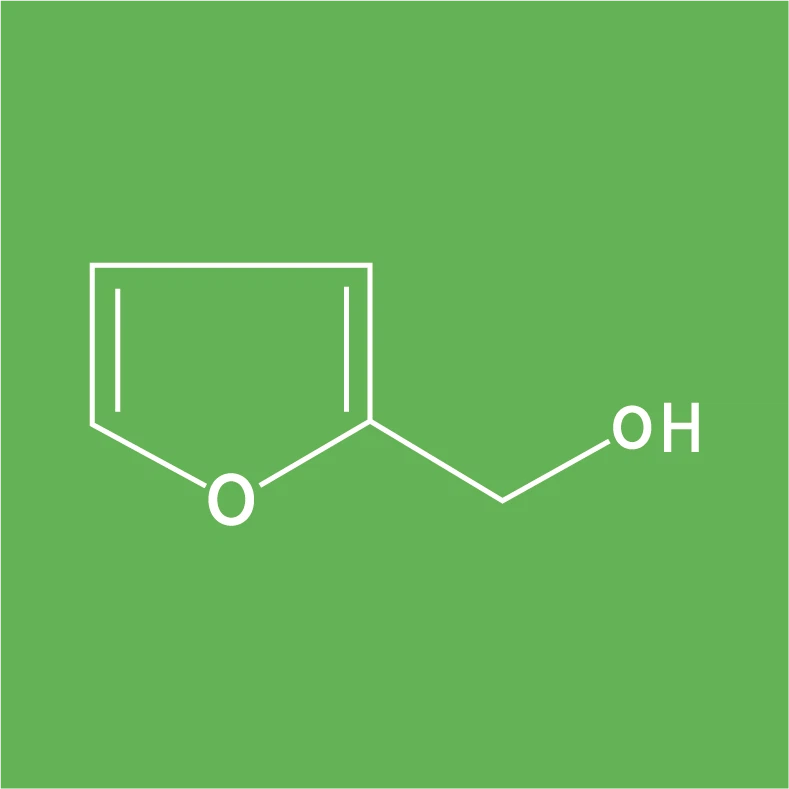
Hydrogen gas is an essential raw material for the hydrogenation of furfural to furfuryl alcohol. It is used to add hydrogen atoms to the furfural molecule, converting the aldehyde group (-CHO) to an alcohol group (-CH₂OH).
Sources of Hydrogen
- Steam Methane Reforming (SMR): This is the most common method for large - scale hydrogen production. Methane, typically from natural gas, reacts with steam at high temperatures (around 700 - 1100°C) in the presence of a nickel - based catalyst to produce hydrogen, carbon monoxide, and carbon dioxide. The carbon monoxide is then further reacted with steam in a water - gas shift reaction to produce more hydrogen and carbon dioxide.
- Electrolysis of Water: Water can be electrolyzed into hydrogen and oxygen using an electric current. This method is more environmentally friendly as it does not produce greenhouse gas emissions if the electricity is generated from renewable sources such as solar, wind, or hydroelectric power. However, the cost of electrolysis is currently higher compared to SMR, limiting its widespread use.
Benefits of Using Bio-based Raw Materials
- Sustainability: The use of agricultural and forestry residues as raw materials for furfuryl alcohol production reduces the dependence on fossil fuels and promotes the use of renewable resources. This helps in reducing greenhouse gas emissions and mitigating climate change.
- Waste Utilization: By using agricultural and forestry waste products, bio - based furfuryl alcohol production provides a solution for waste management. Instead of burning or landfilling these residues, they can be converted into valuable chemicals, creating a circular economy.
- Environmental Friendliness: Bio - based furfuryl alcohol is considered a more environmentally friendly alternative to its petrochemical counterparts. It has a lower carbon footprint and is biodegradable, reducing its impact on the environment.
Applications of Bio-based Furfuryl Alcohol
Bio - based furfuryl alcohol has a wide range of applications in various industries:
- Foundry Industry: It is used as a Furan Resin Raw Material in the production of furan resins, which are used for making sand molds and cores in the foundry industry. Furan resins offer excellent strength, heat resistance, and dimensional stability, making them ideal for casting processes.
- Chemical Industry: Furfuryl alcohol is used in the synthesis of various chemicals, such as furan - based polymers, pharmaceuticals, and agrochemicals. It can also be used as a solvent and a plasticizer in some applications.
Contact for Procurement
If you are interested in purchasing Bio-based Furfuryl Alcohol or Furfuryl Alcohol CAS 98 - 00 - 0 for your industrial needs, we are here to assist you. Our bio - based furfuryl alcohol is produced using high - quality raw materials and advanced production processes, ensuring its purity and performance. Contact us today to discuss your requirements and start a mutually beneficial business relationship.
References
- Cheryan, M., & Rajagopalan, N. (1998). Furfural production from agricultural residues. Critical Reviews in Biotechnology, 18(2), 105 - 140.
- Van de Vyver, S. F., & Sels, B. F. (2016). Hydrogenation of furfural to furfuryl alcohol: A critical review on the active sites of heterogeneous metal catalysts. Catalysis Reviews, 58(3), 291 - 330.
- Demirbas, A. (2009). Production of furfural from biomass and its catalytic hydrogenation to valuable chemicals. Energy Conversion and Management, 50(1), 115 - 119.


