

As a supplier of Adhesive Furfuryl Alcohol, I often get asked about the odor of this unique chemical compound. In this blog post, I'll delve into the details of what the odor of Adhesive Furfuryl Alcohol is like, its characteristics, and how it might impact different applications.
Understanding Adhesive Furfuryl Alcohol
Adhesive Furfuryl Alcohol is a versatile chemical with a wide range of uses. It serves as a Furan Resin Raw Material, playing a crucial role in the production of furan resins. These resins are known for their excellent heat resistance, chemical resistance, and mechanical properties, making them suitable for various industrial applications such as foundry molds, abrasives, and composites. Additionally, there is also Bio-based Furfuryl Alcohol, which is derived from renewable resources, and Industrial Furfuryl Alcohol, which is used in more traditional industrial processes.
The Odor of Adhesive Furfuryl Alcohol
The odor of Adhesive Furfuryl Alcohol can be described as pungent and slightly sweet. It has a distinct, characteristic smell that is often associated with the compound. The pungency can be quite noticeable, especially when the alcohol is in its pure form or in high concentrations. The sweet undertone, on the other hand, gives it a somewhat complex odor profile.
The intensity of the odor can vary depending on several factors. One of the main factors is the concentration of Furfuryl Alcohol in a given mixture. In higher concentrations, the odor is more likely to be strong and easily detectable. For example, in a laboratory setting where pure Furfuryl Alcohol is being handled, the smell can be quite overpowering. In contrast, when it is used as an ingredient in a formulated product, such as a furan resin, the odor may be less intense due to dilution and the presence of other components.
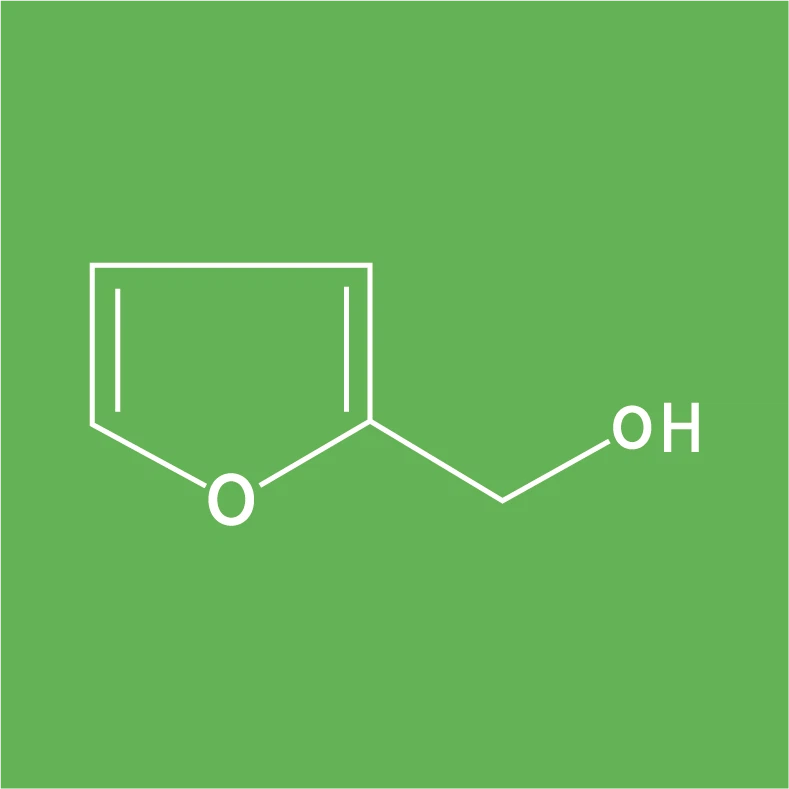

Another factor that affects the odor is the temperature. At higher temperatures, the vapor pressure of Furfuryl Alcohol increases, leading to a more pronounced odor. This is important to consider in industrial processes where heating is involved. For instance, during the curing process of furan resins, the temperature can rise, and the odor may become more noticeable.
Impact of the Odor on Applications
The odor of Adhesive Furfuryl Alcohol can have both positive and negative impacts on its applications.
Positive Impacts
- Quality Control: The distinct odor can serve as an indicator of the presence and quality of Furfuryl Alcohol in a product. In the production of furan resins, a consistent and characteristic odor can be a sign that the right amount of Furfuryl Alcohol has been used and that the resin is being produced correctly.
- Safety Awareness: The pungent odor can act as a natural warning signal. In a workplace environment, if there is a leak or spill of Furfuryl Alcohol, the strong smell can alert workers to the potential hazard, allowing them to take appropriate safety measures.
Negative Impacts
- Worker Comfort: The strong odor can be unpleasant for workers who are exposed to it on a regular basis. Prolonged exposure to the odor can cause discomfort, headaches, and even nausea in some individuals. This can have an impact on worker productivity and well - being.
- Environmental and Community Concerns: In industrial areas where Furfuryl Alcohol is used, the odor can spread beyond the factory premises. This can lead to complaints from the local community and environmental concerns. If the odor is not properly controlled, it can have a negative impact on the reputation of the company and may even result in regulatory issues.
Odor Control Measures
To mitigate the negative impacts of the odor, several odor control measures can be implemented.
- Ventilation: Proper ventilation systems are essential in areas where Furfuryl Alcohol is used. This can help to remove the odorous vapors from the workplace and reduce the concentration of the odor in the air. For example, in a foundry where furan resins are used, installing exhaust fans and ductwork can effectively remove the odor - laden air.
- Enclosed Systems: Using enclosed systems for the handling and processing of Furfuryl Alcohol can minimize the release of odors into the environment. For instance, in chemical manufacturing plants, reactors and storage tanks can be designed to be air - tight, reducing the escape of odorous vapors.
- Odor Masking Agents: The use of odor masking agents can help to reduce the unpleasantness of the odor. These agents work by adding a more pleasant smell to the air, which can help to cover up the pungent odor of Furfuryl Alcohol. However, it's important to note that odor masking agents do not actually remove the odor but only make it more tolerable.
Conclusion and Call to Action
In conclusion, the odor of Adhesive Furfuryl Alcohol is a unique characteristic that has both advantages and disadvantages in its various applications. While it can serve as a quality control indicator and a safety warning signal, it can also cause discomfort to workers and raise environmental concerns. By implementing appropriate odor control measures, these negative impacts can be minimized.
If you are in the market for high - quality Adhesive Furfuryl Alcohol for your industrial applications, whether it's for Furan Resin Raw Material, Bio-based Furfuryl Alcohol, or Industrial Furfuryl Alcohol, we are here to help. Our products are of the highest quality and are backed by our expertise in the field. Contact us to start a procurement discussion and find out how our Adhesive Furfuryl Alcohol can meet your specific needs.
References
- Smith, J. (2018). Chemical Properties and Applications of Furfuryl Alcohol. Journal of Industrial Chemistry, 25(3), 123 - 135.
- Johnson, A. (2019). Odor Control in Chemical Manufacturing Processes. Environmental Science Review, 12(4), 201 - 215.
- Brown, C. (2020). Safety Considerations in the Use of Furfuryl Alcohol. Industrial Safety Journal, 30(2), 78 - 85.


