

In recent years, the food industry has been on a continuous quest for innovative, safe, and sustainable ingredients. One such compound that has caught the attention of researchers and industry players alike is bio delta - valerolactone. As a leading supplier of bio delta - valerolactone, I am excited to delve into the potential of this compound in the food industry.
What is bio delta - valerolactone?
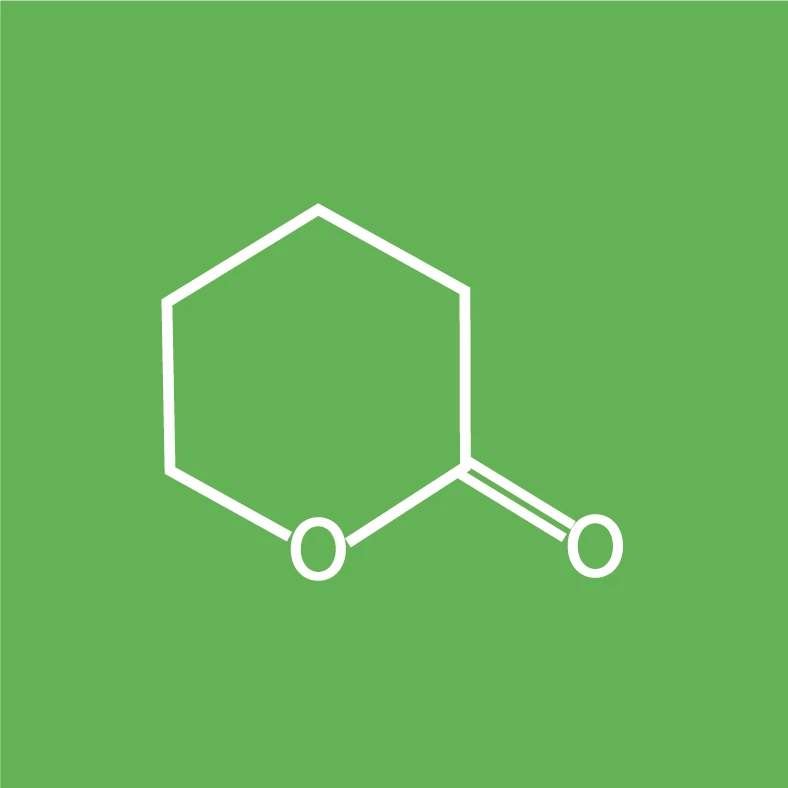
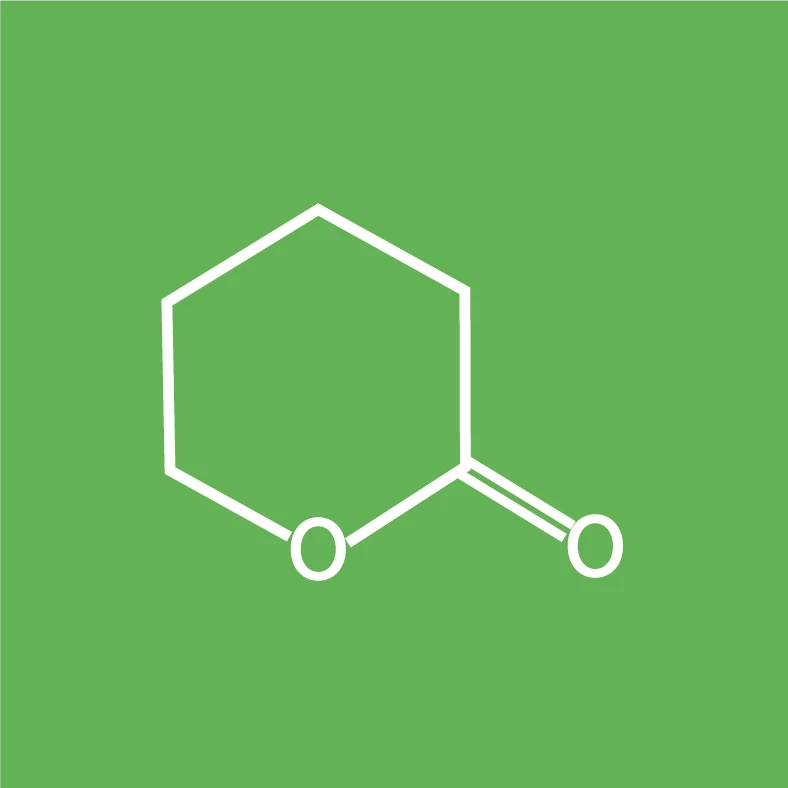
Bio delta - valerolactone is a cyclic ester with the molecular formula C₅H₈O₂. It is a colorless to pale - yellow liquid with a characteristic odor. The "bio" prefix indicates that it is produced from renewable biological sources, which aligns with the growing trend of sustainability in the chemical and food industries.
Delta - valerolactone can be synthesized through various biological processes. Microorganisms can ferment biomass, such as sugars or lignocellulosic materials, to produce precursors that can be further converted into delta - valerolactone. This bio - based production method not only reduces the reliance on fossil fuels but also offers a more environmentally friendly alternative to traditional chemical synthesis.
Properties of bio delta - valerolactone
Physical properties
Bio delta - valerolactone has a relatively low boiling point and is soluble in many organic solvents. It also has a certain degree of solubility in water, which makes it potentially useful in a variety of food formulations. Its physical properties allow it to be easily incorporated into different food matrices, either as a solvent or as a functional ingredient.
Chemical properties
It is a stable compound under normal conditions. However, it can undergo reactions such as hydrolysis in the presence of water and acid or base catalysts. This reactivity can be harnessed in food processing, for example, in the controlled release of flavors or other functional components over time.
Potential applications in the food industry
Flavor and fragrance
One of the most promising applications of bio delta - valerolactone in the food industry is in the area of flavors and fragrances. It has a sweet, fruity odor, similar to that of some tropical fruits. This makes it an attractive candidate for use as a flavoring agent in various food products, such as beverages, confectionery, and dairy products.
In the beverage industry, bio delta - valerolactone can add a unique fruity note to soft drinks, juices, and alcoholic beverages, enhancing their sensory appeal. In confectionery, it can be used to create new and exciting flavors in candies, chocolates, and gums. Dairy products, such as ice cream and yogurt, can also benefit from the addition of bio delta - valerolactone to create a more complex and appealing flavor profile. You can find more information about delta - valerolactone on our website: Delta - valerolactone CAS 542 - 28 - 9.
Solvent and extraction
Bio delta - valerolactone can serve as a green solvent in the food industry. As a bio - based alternative to traditional solvents, it is more environmentally friendly and has the potential to reduce the environmental impact of food processing. It can be used for the extraction of natural compounds, such as flavors, colors, and antioxidants, from plant materials.
For example, it can be used to extract essential oils from herbs and spices. The use of bio delta - valerolactone in extraction processes can result in higher - quality extracts with fewer impurities. Additionally, due to its relatively low toxicity compared to some traditional solvents, it can be more suitable for use in food applications. More details about its role as a green solvent can be found here: Delta - valerolactone Green Solvent.
Preservation and stability
Some studies have suggested that bio delta - valerolactone may have certain antimicrobial properties. This could potentially be used in the food industry to extend the shelf - life of food products and improve their safety. By inhibiting the growth of spoilage microorganisms and some pathogens, it can help maintain the quality and freshness of food.
In addition, it can also act as a stabilizing agent in some food formulations. It can prevent the oxidation of fats and oils, which is a common cause of rancidity in food products. This can help preserve the flavor, color, and nutritional value of foods over time.
Polymerization for food packaging
Bio delta - valerolactone can be used as a monomer for the synthesis of biodegradable polymers. These polymers can be used in food packaging applications. As a bio - based alternative to traditional petroleum - based plastics, biodegradable polymers made from bio delta - valerolactone offer several advantages. They are more sustainable, as they are derived from renewable resources and can break down in the environment more easily.
In food packaging, these polymers can provide a barrier against oxygen, moisture, and other contaminants, helping to keep food fresh and safe for longer periods. You can learn more about its use as a monomer here: Delta - Valerolactone Monomer.
Safety considerations
Before bio delta - valerolactone can be widely used in the food industry, its safety must be carefully evaluated. Toxicological studies are necessary to determine its acute and chronic toxicity, as well as its potential for allergenicity and other adverse effects.
Regulatory bodies around the world have strict guidelines for the use of food additives and ingredients. Any new ingredient, including bio delta - valerolactone, must meet these regulatory requirements before it can be approved for use in food products. As a supplier, we are committed to ensuring that our bio delta - valerolactone meets all relevant safety and quality standards.
Challenges and future prospects
Challenges
One of the main challenges in using bio delta - valerolactone in the food industry is the cost of production. Currently, the bio - based synthesis of delta - valerolactone may be more expensive than traditional chemical synthesis methods. This can make it less competitive in the market, especially for large - scale food production.
Another challenge is the lack of public awareness and acceptance. Consumers may be hesitant to accept new ingredients in their food, especially if they are not well - informed about their safety and benefits.
Future prospects
Despite these challenges, the future of bio delta - valerolactone in the food industry looks promising. As technology advances, the cost of production is likely to decrease, making it more economically viable. Additionally, as consumers become more environmentally conscious and demand sustainable food products, the use of bio - based ingredients like bio delta - valerolactone is likely to increase.
Research is also ongoing to explore new applications and improve the performance of bio delta - valerolactone in the food industry. For example, scientists are working on developing more efficient extraction methods and improving the stability of bio - based polymers made from delta - valerolactone.
Conclusion
In conclusion, bio delta - valerolactone has significant potential in the food industry. Its unique properties, such as its flavor, solvent capabilities, and potential for use in biodegradable polymers, make it a versatile and attractive ingredient. However, before it can be widely adopted, further research is needed to address safety concerns and overcome economic and regulatory challenges.
As a supplier of bio delta - valerolactone, we are dedicated to supporting the research and development efforts in this area and providing high - quality products to our customers. If you are interested in exploring the use of bio delta - valerolactone in your food products or have any questions about our offerings, please do not hesitate to contact us for a purchase negotiation.
References
- Some studies on the chemical properties of delta - valerolactone, Journal of Organic Chemistry.
- Research on the flavor and fragrance applications of bio - based chemicals in the food industry, Food Chemistry Journal.
- Publications on the use of green solvents in food extraction processes.


