

Bio delta - valerolactone (δ - VL) is a versatile and sustainable monomer that has gained significant attention in the field of polymer science. As a reliable bio delta - valerolactone supplier, we are dedicated to providing high - quality products and exploring the vast potential of δ - VL in copolymerization. This blog will delve into the copolymers of bio delta - valerolactone, their synthesis, properties, and applications.
1. Introduction to Bio Delta - Valerolactone
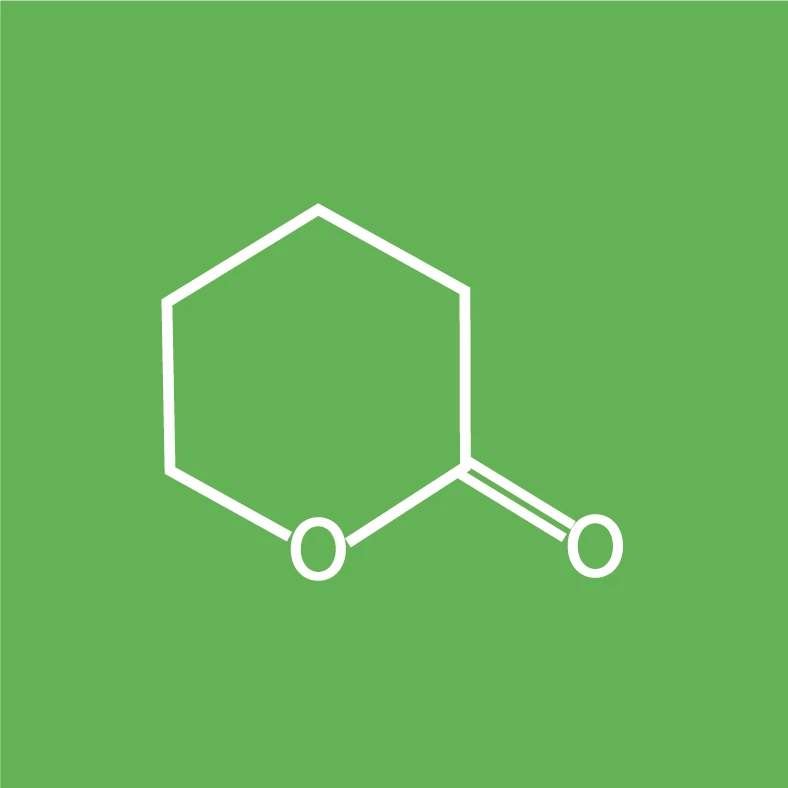
Bio delta - valerolactone is a cyclic ester derived from renewable resources. It has a unique chemical structure and properties that make it an attractive candidate for copolymerization. Compared to traditional petrochemical - based monomers, bio delta - valerolactone offers several advantages, such as sustainability, low toxicity, and potential for biodegradability. Delta - Valerolactone Monomer can be used in a variety of polymerization reactions to form copolymers with diverse properties.
2. Copolymerization Methods
There are several methods for copolymerizing bio delta - valerolactone with other monomers. The most common ones include ring - opening copolymerization (ROC) and free - radical copolymerization.
Ring - Opening Copolymerization (ROC)
ROC is a widely used method for synthesizing copolymers of bio delta - valerolactone. In this process, the cyclic ester ring of δ - VL is opened, and the monomer reacts with other monomers or initiators. For example, it can be copolymerized with lactide to form biodegradable and biocompatible copolymers. The reaction conditions, such as temperature, catalyst, and monomer ratio, can significantly affect the structure and properties of the resulting copolymers. The use of different catalysts can lead to different polymerization mechanisms and control over the molecular weight and distribution of the copolymers.
Free - Radical Copolymerization
Although less common than ROC for δ - VL, free - radical copolymerization can also be used to incorporate bio delta - valerolactone into copolymers. In this method, free radicals are generated to initiate the polymerization reaction. This approach allows for the copolymerization of δ - VL with vinyl - type monomers. However, the reactivity of δ - VL in free - radical copolymerization is relatively lower compared to some traditional vinyl monomers, and special reaction conditions may be required to achieve high conversion rates.
3. Common Copolymers of Bio Delta - Valerolactone
Copolymer with Lactide
The copolymer of bio delta - valerolactone and lactide has been extensively studied. These copolymers combine the properties of both monomers. Lactide is known for its high crystallinity and mechanical strength, while δ - VL can improve the flexibility and degradation rate of the copolymer. The resulting copolymers can be used in biomedical applications, such as tissue engineering scaffolds and drug delivery systems. The biodegradability of these copolymers makes them an ideal choice for applications where the material needs to degrade over time in the body.
Copolymer with ε - Caprolactone
Copolymerization of bio delta - valerolactone with ε - caprolactone results in copolymers with tunable properties. ε - caprolactone is a well - known monomer for producing polymers with good flexibility and low melting points. By incorporating δ - VL into the copolymer, the mechanical properties and degradation behavior can be further adjusted. These copolymers can be used in packaging materials, where a balance between flexibility and durability is required.
Copolymer with Acrylic Monomers
When bio delta - valerolactone is copolymerized with acrylic monomers, such as methyl methacrylate, the resulting copolymers can have improved adhesion and surface properties. The acrylic monomers provide hardness and transparency, while δ - VL can enhance the compatibility and processability of the copolymer. These copolymers are suitable for coatings and adhesives applications.
4. Properties of Copolymers
The properties of copolymers of bio delta - valerolactone depend on several factors, including the type of comonomer, the monomer ratio, and the polymerization method.

Mechanical Properties
The mechanical properties, such as tensile strength, elongation at break, and modulus, can be tailored by adjusting the composition of the copolymer. For example, increasing the content of δ - VL in a copolymer with a rigid comonomer can increase the flexibility and elongation at break of the material.
Thermal Properties
The thermal properties, such as melting point, glass transition temperature, and thermal stability, are also influenced by the copolymer composition. Copolymers with different comonomers may exhibit different thermal behaviors, which are important for applications where the material needs to withstand certain temperature ranges.
Biodegradability
One of the significant advantages of copolymers of bio delta - valerolactone is their potential for biodegradability. The presence of δ - VL in the copolymer structure can enhance the degradation rate, especially in an environment with appropriate microorganisms or enzymes. This property is crucial for applications in the biomedical and packaging industries, where reducing environmental impact is a major concern.
5. Applications of Copolymers
Biomedical Applications
As mentioned earlier, copolymers of bio delta - valerolactone, such as those with lactide, can be used in tissue engineering scaffolds. These scaffolds provide a three - dimensional structure for cell growth and tissue regeneration. The biodegradability of the copolymers ensures that the scaffold will gradually degrade as the new tissue forms. Additionally, they can be used in drug delivery systems, where the controlled release of drugs can be achieved by adjusting the degradation rate of the copolymer.
Packaging Applications
In the packaging industry, copolymers of bio delta - valerolactone offer a sustainable alternative to traditional plastics. Their tunable mechanical properties and biodegradability make them suitable for various packaging applications, such as food packaging and single - use containers. Delta - valerolactone Green Solvent can also play a role in the production process of these copolymers, reducing the environmental impact of the manufacturing process.
Coating and Adhesive Applications
Copolymers with acrylic monomers can be used in coatings and adhesives. The improved adhesion and surface properties of these copolymers make them ideal for applications where strong bonding and good surface finish are required. They can be used in automotive coatings, architectural coatings, and industrial adhesives.
6. Our Offerings as a Supplier
As a bio delta - valerolactone supplier, we offer high - purity Delta - valerolactone CAS 542 - 28 - 9 that meets the strict quality standards for copolymerization. Our product is sourced from renewable resources, ensuring its sustainability. We also provide technical support to our customers, helping them optimize the copolymerization process and achieve the desired properties of the copolymers.
If you are interested in exploring the potential of bio delta - valerolactone copolymers for your specific applications, we welcome you to contact us for a detailed discussion. Our team of experts is ready to assist you in understanding the product, its copolymerization possibilities, and how it can be tailored to your needs. Whether you are in the biomedical, packaging, or coating industry, we believe that bio delta - valerolactone copolymers can offer innovative solutions. Feel free to reach out to us for procurement and further technical consultations.
References
- Albertsson, A. C., & Varma, I. K. (2003). Biodegradable polymers for the environment. Polymer Degradation and Stability, 80(2), 135 - 145.
- Labet, M., & Thielemans, W. (2009). Sustainable polymers from renewable resources. Chemical Society Reviews, 38(12), 3484 - 3504.
- Gandini, A. (2008). Forest products as a source of green materials for sustainable development. Polymer Degradation and Stability, 93(3), 499 - 505.


