

As a supplier of Delta - Valerolactone Monomer, I've witnessed firsthand the growing interest in this versatile chemical compound. In this blog, I'll delve into the stability of Delta - Valerolactone Monomer under different conditions, which is crucial for its various applications.
Chemical Structure and Properties Overview
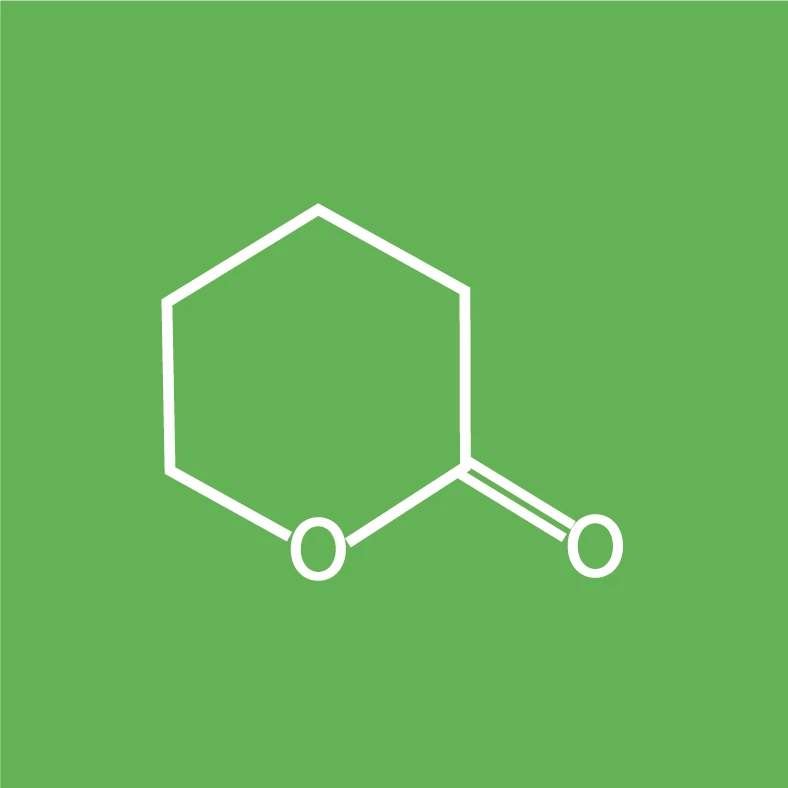
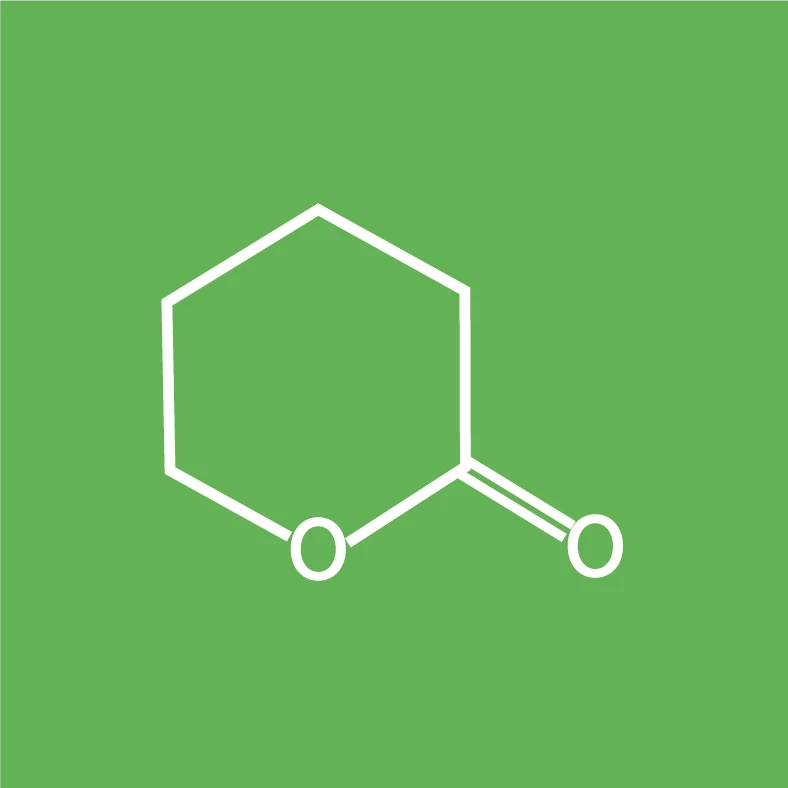
Delta - Valerolactone Monomer, with the Delta - Valerolactone CAS 542 - 28 - 9, has a unique chemical structure. It is a cyclic ester with a five - membered ring, which imparts certain physical and chemical characteristics. It is a clear, colorless liquid at room temperature, with a relatively low viscosity and a mild, pleasant odor. Its molecular formula is C₅H₈O₂, and it has a molar mass of approximately 100.12 g/mol.
Stability under Different Temperatures
Low Temperatures
At low temperatures, typically below 0°C, Delta - Valerolactone Monomer shows excellent stability. The low kinetic energy of the molecules at these temperatures restricts their movement and reduces the likelihood of chemical reactions. The intermolecular forces are relatively stable, and the cyclic structure remains intact. This stability at low temperatures makes it suitable for long - term storage in cold environments. For example, in a freezer set at - 20°C, the monomer can be stored for extended periods without significant degradation. This is important for suppliers and end - users who need to stockpile the product for future use.
High Temperatures
As the temperature rises, the stability of Delta - Valerolactone Monomer starts to change. At temperatures above 100°C, the increased kinetic energy of the molecules can lead to the opening of the cyclic ester ring. This ring - opening reaction can be initiated by thermal energy alone, especially in the presence of catalysts or impurities. For instance, if the monomer is heated to around 150°C in an open system, it may start to polymerize or react with other substances in the environment. This polymerization can lead to an increase in viscosity and a change in the physical properties of the monomer. In industrial processes where high - temperature operations are involved, careful control of the temperature is essential to maintain the quality and stability of the Delta - Valerolactone Monomer.
Stability in Different pH Environments
Acidic Conditions
In acidic environments, Delta - Valerolactone Monomer can undergo hydrolysis. The acidic protons can attack the carbonyl group in the cyclic ester, leading to the cleavage of the ester bond. The rate of hydrolysis depends on the concentration of the acid and the temperature. For example, in a solution of hydrochloric acid with a pH of 2, the monomer may start to hydrolyze within a few hours at room temperature. The hydrolysis products are typically a carboxylic acid and an alcohol, which can have different chemical and physical properties compared to the original monomer. This instability in acidic conditions needs to be considered when the monomer is used in applications where acidic substances are present.
Basic Conditions
In basic environments, the stability of Delta - Valerolactone Monomer is also affected. Hydroxide ions in basic solutions can react with the ester group, causing hydrolysis. Similar to acidic hydrolysis, the basic hydrolysis leads to the breakdown of the cyclic structure. However, the reaction mechanism is different. In basic hydrolysis, the hydroxide ion attacks the carbonyl carbon, followed by the cleavage of the ester bond. At a pH of 10 or higher, the hydrolysis can occur relatively quickly, especially at elevated temperatures.
Stability in the Presence of Different Substances
Water
Delta - Valerolactone Monomer has a certain degree of solubility in water. In the presence of water, hydrolysis can occur over time. The water molecules can act as nucleophiles and attack the carbonyl group of the cyclic ester. However, the rate of hydrolysis in pure water is relatively slow at room temperature. But when the water contains dissolved salts or other impurities, the hydrolysis rate may increase. For example, if the water has a high concentration of metal ions, these ions can act as catalysts for the hydrolysis reaction.
Oxygen
Exposure to oxygen can also affect the stability of Delta - Valerolactone Monomer. Oxygen can react with the monomer through oxidation reactions. The unsaturated bonds in the cyclic structure can be attacked by oxygen radicals, leading to the formation of peroxides and other oxidation products. These oxidation products can further react with the monomer or other substances in the system, causing degradation. To prevent oxidation, the monomer is often stored in air - tight containers or under an inert gas atmosphere, such as nitrogen.
Stability in Different Solvents
Organic Solvents
Delta - Valerolactone Monomer is soluble in many organic solvents, such as ethanol, acetone, and toluene. In these solvents, its stability is generally good. The non - polar or slightly polar nature of these solvents allows the monomer to dissolve without significant chemical reactions. However, some solvents may act as catalysts or reactants under certain conditions. For example, in the presence of strong oxidizing agents in an organic solvent, the monomer may undergo oxidation reactions.
Aqueous Solvents
As mentioned earlier, in aqueous solvents, the stability of the monomer is mainly affected by hydrolysis. The polarity of water and its ability to act as a nucleophile make it a potential threat to the stability of the cyclic ester. However, by adjusting the pH and the presence of additives, the hydrolysis can be controlled to some extent. For example, adding a buffer to maintain a neutral pH can slow down the hydrolysis rate.
Applications and the Importance of Stability
The stability of Delta - Valerolactone Monomer under different conditions is directly related to its applications. As a Delta - Valerolactone Green Solvent, its stability in different environments determines its effectiveness in various industrial processes. For example, in the pharmaceutical industry, it can be used as a solvent for drug synthesis. The stability of the monomer ensures that it does not react with the drug molecules during the synthesis process, maintaining the purity and quality of the final product.
In the polymer industry, the stability of Delta - Valerolactone Monomer is crucial for controlled polymerization. If the monomer is not stable under the reaction conditions, the polymerization process may be difficult to control, leading to polymers with inconsistent properties.
Conclusion and Call to Action
In conclusion, the stability of Delta - Valerolactone Monomer is highly dependent on temperature, pH, the presence of other substances, and the type of solvent. Understanding these factors is essential for suppliers, manufacturers, and end - users to ensure the proper handling, storage, and application of the monomer.
As a reliable supplier of Delta - Valerolactone Monomer, we are committed to providing high - quality products and technical support. If you are interested in purchasing Delta - Valerolactone Monomer or have any questions about its stability and applications, please feel free to contact us. We are here to assist you in finding the best solutions for your specific needs.
References
- Smith, J. K. (2018). Chemical Stability of Organic Compounds. Academic Press.
- Brown, A. R. (2019). Handbook of Solvent Properties. CRC Press.
- Johnson, M. L. (2020). Polymerization Kinetics and Mechanisms. Wiley.


