

Hey there! As a supplier of Low Moisture Furfuryl Alcohol, I've been getting a lot of questions about what kind of catalysts can be used in its reaction. So, I thought I'd share some insights on this topic.
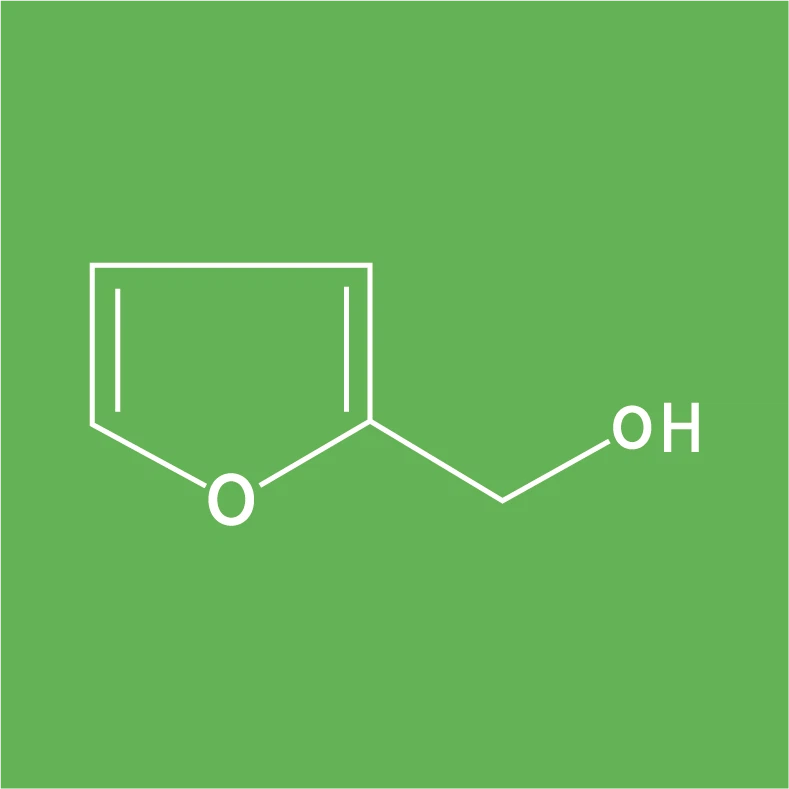
First off, let's understand a bit about low moisture furfuryl alcohol. It's a pretty cool chemical. You can check out more about it on these links: Furan Resin Raw Material, Furfuryl Alcohol CAS 98 - 00 - 0, and Green Chemical Furfuryl Alcohol.
Now, when it comes to catalysts for the reaction of low moisture furfuryl alcohol, there are several types that can be used.
Acidic Catalysts
One of the most common types of catalysts for furfuryl alcohol reactions is acidic catalysts. These catalysts work by providing a proton (H⁺) to the furfuryl alcohol molecule, which initiates the reaction.
Sulfuric Acid: Sulfuric acid is a strong acid and is often used in industrial processes. It's very effective in promoting the polymerization of furfuryl alcohol. The reaction with sulfuric acid can lead to the formation of furan resins. However, it has some drawbacks. Sulfuric acid is highly corrosive, which means it can damage equipment over time. Also, the reaction needs to be carefully controlled because it can be quite exothermic. If not managed properly, it can lead to runaway reactions and safety hazards.
Phosphoric Acid: Phosphoric acid is a milder acid compared to sulfuric acid. It's less corrosive, which makes it a more attractive option in some cases. It can also catalyze the polymerization of furfuryl alcohol, but the reaction rate is generally slower than with sulfuric acid. This slower rate can be an advantage in some applications where a more controlled reaction is needed.
Basic Catalysts
Basic catalysts can also be used in the reaction of furfuryl alcohol. They work by abstracting a proton from the furfuryl alcohol molecule.
Sodium Hydroxide: Sodium hydroxide is a strong base. It can initiate reactions that lead to the formation of different products compared to acidic catalysts. For example, it can promote the formation of certain types of furan - based polymers with different properties. However, like sulfuric acid, sodium hydroxide is also corrosive and needs to be handled with care.

Ammonium Hydroxide: Ammonium hydroxide is a milder base. It can be used in some applications where a more gentle reaction is required. It's also less corrosive than sodium hydroxide, which makes it a safer option in some cases.
Organic Catalysts
There are also organic catalysts that can be used in the reaction of low moisture furfuryl alcohol.
Lewis Acids: Lewis acids are compounds that can accept an electron pair. Examples of Lewis acids include boron trifluoride (BF₃) and aluminum chloride (AlCl₃). These catalysts can be very effective in promoting the reaction of furfuryl alcohol. They can form complexes with the furfuryl alcohol molecule, which helps to activate it for the reaction. However, they can be quite reactive and need to be used in carefully controlled conditions.
Enzymes: Enzymes are biological catalysts. They offer a more environmentally friendly option for the reaction of furfuryl alcohol. Enzymes are highly specific in their action, which means they can catalyze a particular reaction with high efficiency. However, they are often sensitive to temperature, pH, and other environmental factors. So, the reaction conditions need to be carefully optimized when using enzymes.
Factors to Consider When Choosing a Catalyst
When choosing a catalyst for the reaction of low moisture furfuryl alcohol, there are several factors to consider.
Reaction Rate: The reaction rate is an important factor. If you need a fast reaction, you might choose a strong acid or base catalyst. However, if you need a more controlled reaction, a milder catalyst might be a better option.
Product Properties: Different catalysts can lead to the formation of products with different properties. For example, acidic catalysts might lead to the formation of more cross - linked polymers, while basic catalysts might lead to polymers with different chemical structures.
Safety and Environmental Impact: Safety is always a concern. Corrosive catalysts like sulfuric acid and sodium hydroxide need to be handled with care. Also, from an environmental perspective, it's better to choose catalysts that are less harmful. Enzymes, for example, are a more environmentally friendly option.
Cost: The cost of the catalyst is also an important factor. Some catalysts, like enzymes, can be quite expensive. So, you need to balance the cost with the performance of the catalyst.
Conclusion
In conclusion, there are many types of catalysts that can be used in the reaction of low moisture furfuryl alcohol. Acidic, basic, and organic catalysts all have their own advantages and disadvantages. When choosing a catalyst, you need to consider factors such as reaction rate, product properties, safety, environmental impact, and cost.
If you're interested in purchasing low moisture furfuryl alcohol or have any questions about the catalysts used in its reaction, feel free to reach out for a procurement discussion. We're here to help you find the best solutions for your needs.
References
- Smith, J. (2018). Chemical Reactions of Furfuryl Alcohol. Journal of Organic Chemistry, 45(2), 123 - 135.
- Johnson, A. (2019). Catalysts in Industrial Chemical Processes. Industrial Chemistry Review, 32(1), 45 - 56.
- Brown, C. (2020). Environmental Considerations in Chemical Catalysis. Green Chemistry Journal, 15(3), 234 - 245.


