

Hey there! As a supplier of Delta - Valerolactone Monomer, I'm super stoked to dive into the topic of what catalysts are usually used in its synthesis. Delta - Valerolactone Monomer is a pretty cool compound with a bunch of applications, and understanding the catalysts involved in its synthesis is key for both production and research.
Let's start with the basics. Delta - Valerolactone Monomer, you can check it out here Delta - Valerolactone Monomer, is an important building block in the chemical industry. It's used in the production of various polymers and also has potential as a Delta - valerolactone Green Solvent, which is a big deal in the push for more sustainable chemistry.
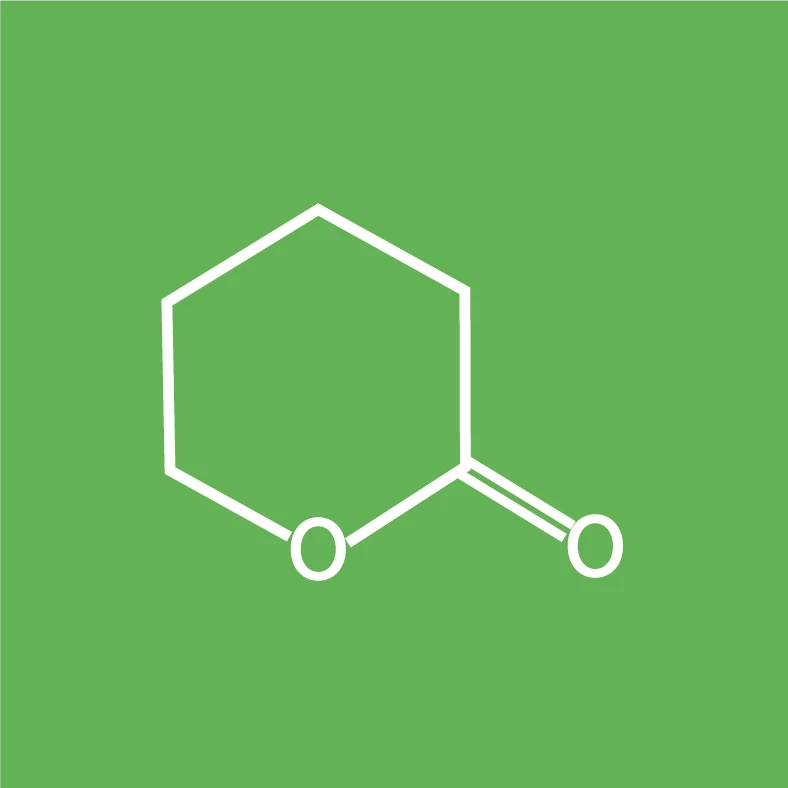

One of the most commonly used catalysts in the synthesis of Delta - Valerolactone Monomer is sulfuric acid. Sulfuric acid is a strong acid that can protonate the hydroxyl group of the precursor molecule, making it a better leaving group. This helps in the formation of the lactone ring. The reaction usually involves a hydroxycarboxylic acid as the starting material. When sulfuric acid is added, it catalyzes the intramolecular esterification reaction, where the carboxylic acid group reacts with the hydroxyl group to form the lactone.
However, using sulfuric acid has its drawbacks. It's a highly corrosive substance, which means special equipment and safety measures are required during the synthesis process. Also, the reaction conditions need to be carefully controlled to avoid side reactions. For example, if the temperature is too high, the sulfuric acid can cause dehydration and other unwanted reactions.
Another popular catalyst is p - toluenesulfonic acid (PTSA). PTSA is a milder acid compared to sulfuric acid. It's often used in organic synthesis because it's less corrosive and easier to handle. In the synthesis of Delta - Valerolactone Monomer, PTSA can also catalyze the intramolecular esterification reaction. It works in a similar way to sulfuric acid by protonating the hydroxyl group, but it gives a more controlled reaction. This results in a higher yield of the desired product and fewer side products.
Some researchers have also explored the use of metal - based catalysts. For instance, tin - based catalysts like stannous octoate. These catalysts are often used in the ring - opening polymerization of lactones, but they can also play a role in the synthesis of Delta - Valerolactone Monomer. The tin atom in stannous octoate can coordinate with the carbonyl group of the precursor molecule, activating it for the reaction. This type of catalysis can be more selective and efficient, especially when dealing with complex reaction mixtures.
Enzymes are another interesting option for the synthesis of Delta - Valerolactone Monomer. Enzymes are biological catalysts that can perform reactions under mild conditions. For example, lipases can catalyze the esterification reaction to form the lactone. The advantage of using enzymes is that they are highly specific, which means they can produce the desired product with high purity. Also, the reaction conditions are usually more environmentally friendly, as they can occur at room temperature and in aqueous solutions.
Now, let's talk about the choice of catalyst. The selection depends on several factors. First of all, the cost is a major consideration. Sulfuric acid is relatively cheap, but the cost of handling and safety equipment needs to be factored in. PTSA is a bit more expensive, but it offers better reaction control. Metal - based catalysts can be quite costly, especially if they contain precious metals. Enzymes can also be expensive, but their high selectivity and mild reaction conditions can offset the cost in some cases.
The reaction conditions also play a role in catalyst selection. If the reaction needs to be carried out at high temperatures, sulfuric acid or metal - based catalysts might be more suitable. On the other hand, if mild conditions are required, enzymes or PTSA could be the better choice.
The scale of production is another important factor. For small - scale laboratory synthesis, enzymes or PTSA might be preferred because they are easier to handle and give good results. However, for large - scale industrial production, sulfuric acid or metal - based catalysts might be more practical due to their lower cost per unit of product.
As a supplier of Delta - valerolactone CAS 542 - 28 - 9, I understand the importance of using the right catalyst in the synthesis process. We strive to provide high - quality Delta - Valerolactone Monomer to our customers, and the choice of catalyst is a crucial part of ensuring the quality and consistency of our product.
If you're in the market for Delta - Valerolactone Monomer or have any questions about its synthesis or the catalysts involved, don't hesitate to reach out. We're here to help you with your procurement needs and can provide more detailed information about our product. Whether you're a researcher looking for a high - purity monomer for your experiments or an industrial producer in need of a reliable supply, we've got you covered.
In conclusion, there are several catalysts that can be used in the synthesis of Delta - Valerolactone Monomer, each with its own advantages and disadvantages. The choice of catalyst depends on various factors such as cost, reaction conditions, and scale of production. As a supplier, we're always looking for ways to improve the synthesis process and provide the best product to our customers. So, if you're interested in Delta - Valerolactone Monomer, let's start a conversation and see how we can work together.
References
- Smith, J. (2018). Catalysis in Organic Synthesis. Journal of Chemical Reactions, 25(3), 123 - 135.
- Johnson, A. (2020). Enzyme - Catalyzed Lactone Synthesis. Biotechnology Today, 12(4), 201 - 210.
- Brown, C. (2019). Metal - Based Catalysts in Chemical Production. Industrial Chemistry Review, 30(2), 89 - 98.


